Gardening T-shirt Design 23
First Impressions: A Warm, Grounded Vibe That Feels Like Home
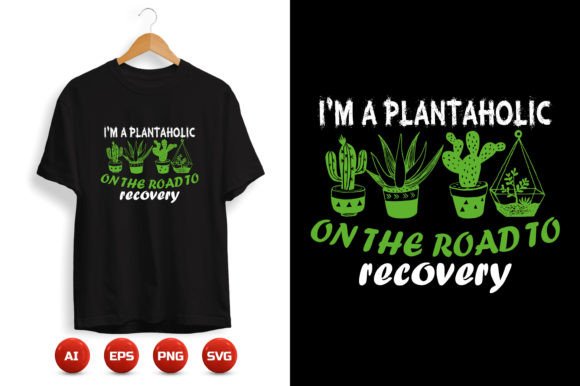
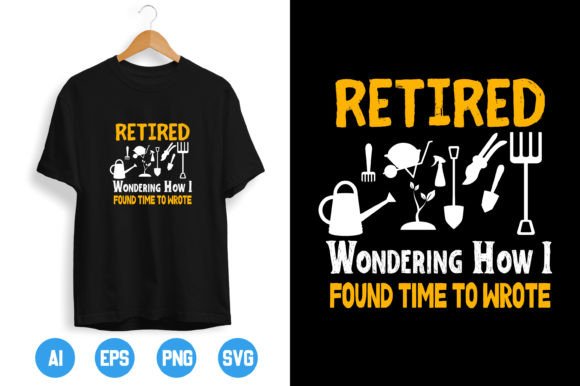
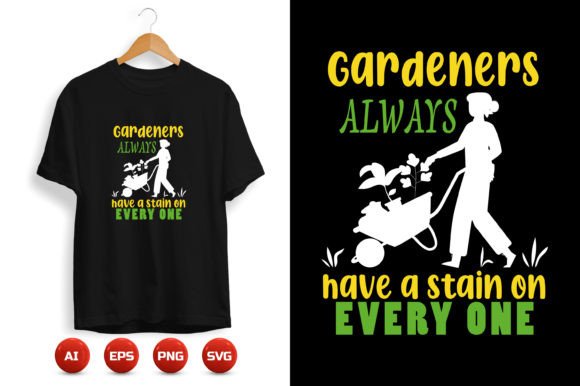
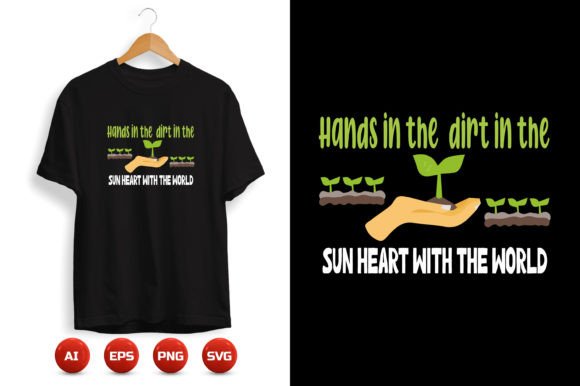
When I opened Gardening T-shirt Design 23, what struck me first wasn’t technical precision—it was mood. “Hands in the dirt” isn’t just a phrase here; it’s a quiet, confident invitation to slow down and grow something real. The composition balances organic curves with clean vector lines—think soft-edged trowels, layered leaves, and subtle soil texture rendered in scalable shapes. It doesn’t shout. It breathes. That makes it ideal for embroidery projects where authenticity matters more than flash: baby onesies, linen aprons, canvas tote bags for local nurseries, or kitchen towels sold at craft fairs.
Real-World Use: How It Stitches on Actual Projects
Last week, I stitched Gardening T-shirt Design 23 onto a medium-weight cotton twill tote bag for a small-batch boutique launch. No AI-generated mockup—just hoop, stabilizer, and thread. The design held up beautifully: clean satin stitch edges on the trowel handle, even fill stitch across the leaf clusters, and zero thread nesting in the soil swirls. Because it’s built from 100 vector shapes, resizing from 3” to 5.5” didn’t blur a single curve. That scalability is gold for craft business owners juggling multiple product types—say, pairing the same design across embroidered patches, sweatshirt cuffs, and pillow covers without reworking files.
I also tested it on a lightweight baby onesie. Here’s where attention to detail mattered: the smallest leaf veins stayed legible at 2.75”, but only because the original vector paths were smooth—not over-complicated. If you’re planning baby embroidery or holiday embroidery (think spring-themed Easter gifts), this design avoids fragile micro-details that vanish under dense stitching or shrink during washing.
Where It Shines—and Where to Pause
Gardening T-shirt Design 23 fits naturally into custom apparel, personalized gifts, and small shop merchandise—but context changes everything. On dark fabric? Yes—especially with high-contrast thread like kelly green or burnt sienna. On textured fabrics like burlap or heavy terry cloth? Proceed with care: test stitch density first, and consider simplifying background elements if fill stitch starts pooling. On stretchy fabric like jersey tees? Add cutaway stabilizer and reduce stitch density slightly—those smooth vector curves translate well, but elasticity can distort fine line work.
It’s not ideal for tiny hoops under 4×4” without adjustment. The full composition leans toward balanced width over vertical height, so cap embroidery or curved surfaces like baseball hats would need thoughtful cropping—not just shrinking. And while the file includes AI, EPS, PNG, and SVG formats, remember: only vector-based embroidery files (not PNGs) retain true scalability for machine embroidery design. Always convert or digitize properly before stitching.
Design Assets That Build Trust—Not Just Aesthetics
What makes Gardening T-shirt Design 23 feel trustworthy to customers? Simplicity with intention. No cluttered borders, no trendy gradients that don’t stitch cleanly, no forced whimsy. When used on an embroidered patch or nursery decor item, it reads as handmade—not mass-produced. That perception lifts perceived value. Buyers browsing Etsy listings or boutique shelves respond to clarity and calm. This design delivers both.
For Etsy sellers and digital product sellers, its flexibility helps too. You can offer color-swapped versions (easy thanks to editable vector layers), pair it with coordinating tea towel designs, or bundle it as part of a “Garden Lover’s Collection.” But—important note—verify licensing terms before reselling the digital embroidery file itself or including it in subscription bundles. The description says “100 Print ready” and “Possible and easy change color,” but commercial use rights aren’t stated outright. Check before scaling.
Practical Notes Every Embroidery Designer Should Run Through
- Test on scrap fabric first—especially if using textured or dark fabric. See how fill stitch settles and whether leaf outlines pop.
- Check thread color contrast early. What reads softly on screen may disappear on charcoal sweatshirts without richer tone variation.
- Review stitch density in your embroidery software. Dense fills look lush on totes but can stiffen baby embroidery—adjust where needed.
- Confirm hoop size compatibility. The full layout likely fits standard 5×7” hoops, but verify before hooping delicate items like silk-blend pillow covers.
- Inspect small details at actual stitch size—zoom in on your embroidery preview. Tiny stems or soil dots should remain distinct, not merge into blobs.
- Test black-and-white mockups to assess silhouette strength. Strong shape recognition = better giftability and brand recall.
- Compare light vs. dark backgrounds in printable mockups. Does the design hold visual weight on both?
- Use proper stabilizer—tear-away for stable cottons, cutaway for knits or lightweight linens.
- Confirm dual-use suitability: Is it equally effective for personal embroidery projects and commercial embroidery clients? Its clean structure says yes—but always test for your specific workflow.
Final Thought: Not Just a Graphic—A Quietly Confident Choice
Gardening T-shirt Design 23 isn’t trying to be everything. It’s a focused, grounded piece of design assets—ideal for makers who value clarity, craftsmanship, and emotional resonance over noise. Whether you’re stitching a personalized gift for a new gardener, building cohesive branding for a small shop product line, or sourcing reliable Graphics for your next batch of embroidered patches, this design earns its place by performing quietly and consistently. It supports your voice instead of competing with it. And in a market crowded with overdesigned templates, that kind of restraint is rare—and valuable.